Monday, 30 January 2023

CBD-A, the health benefits and potential applications

Table of Contents

Here is all the information you need to know about the newest cannabinoid to hit the market, HHC-O.

HHC-O, The brand new Hemp-derived cannabinoid

HHC-O is a brand new Hemp-derived cannabinoid that can now be extracted from Hemp using a clean manufacturing process. HHC itself is a hydrogenated compound that binds to different receptors than regular Hemp cannabinoids. A benefit to hydrogenation is that it gives stability at the molecular level, that helps with both shelf life, and resistance to heat.

HHC-O might be unfamiliar to you, whether you regularly use cannabis or are just interested about it. It is a cannabinoid with psychedelic effects that is comparatively unheard of. But hemp is the source of it. Since THC-O, Delta 8, and Delta 10 also have psychoactive effects, this fact is not unique. They are all permissible to use because they are all made from hemp.

WeeDutch was one of the first companies to offer trustworthy HHC-O products on the market. Look through their selection of HHC-O products. Let’s examine what’s new with HHC-O now.

HHC-O: What Is It?

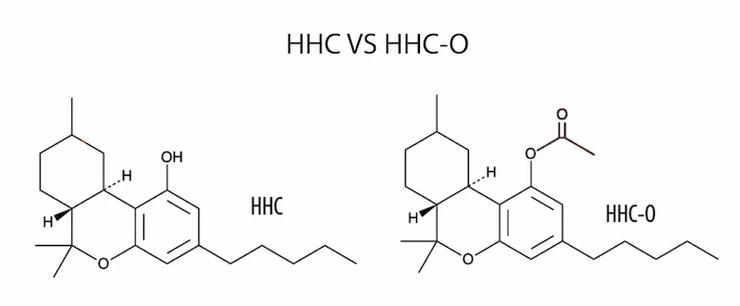
A recently identified cannabinoid with psychotropic qualities is called HHC-O. But we’ve already covered that. Let’s concentrate on the strange “O” that appears at the end of the name. It denotes that the HHC cannabinoid is a newer formulation. Similar to what occurs with THC-O. Acetate is added by manufacturers to HHC. The HHC molecule is altered during that process, giving rise to effects that are stronger.

How is HHC-O produced?

We are aware that producers augment the HHC, or HHC-O, with acetate. It is important to remember that it does not occur in nature, though.
Since this cannabinoid is synthetic, it can only be created by human hands. As a result, a skilled chemist combines acetic anhydride with the HHC concentration. The cannabinoid’s potency is increased by the chemical reaction. It is imperative to emphasise that this should not be attempted at home or alone. You should be aware of the origins of the cannabis after reading this material. However, only a skilled chemist with the right tools and understanding can create HHC-O. It is extremely harmful if not.

Effects of HCH-O

HHC-O is a cannabinoid whose physiological effects on the body still need to be studied. It has nevertheless been shown to be psychotropic. In this case, it is simple to look for a comparison with Delta 9 THC to comprehend how it tastes. Due to the fact that HHC-O is around 1.5 times as potent than HHC, this is challenging. Furthermore, HHC falls halfway between Delta 8 and Delta 9 THC.
We may say that Delta 9 THC is slightly less potent than HHC-O. Your mind is at ease, and your muscles initially relax. A powerful physical and mental experience may then result. You might experience increased sociability and joy. Your body becomes drowsy as the effects peak, and your mind appears to become more open to new perceptions and concepts. You may still drift off and immerse yourself further in your own universe. When utilising HHC-O, you might prefer to lie on your bed or couch.

Is HHC-O legal in Europe?

Technically, HHC-O is not THC. In Europe, cannabis products with less than 0.2%-1.0% THC are generally legal. Regulations vary from country to country. For example, in the Czech Republic and Switzerland, the THC in Hemp products can reach 1.0%. If HHC-O or any substance with same chemical structure is already listed as a controlled drug in your country,then HHC-O is not considered a legal Hemp extract locally.

HHC-O Advantages

The dosage and terpenes that come with HHC-O have a significant impact on the effects you get from using it. The advantages of the product you select are enhanced by the combined action of terpenes and cannabinoids. However, there are some broad advantages that will give you a fair notion of what it can do for you. Your body and mind are relaxed by HHC-O, which concurrently lessens tension and pain. You feel less anxious and less uncomfortable, giving you a greater sense of control over your body and emotions. if you only use a small dosage. Your body goes into a profound level of relaxation that will put you to sleep, but, if you’re looking for a more extreme experience. You awaken feeling refreshed after a restful night.

HHC-O: Is it safe?

Nearly no study has been done on the safety of HHC or HHC-O. However, consumers have not yet reported any negative side effects from any one. You could draw the conclusion that using the cannabis has no substantial negative effects. Additionally, consumers claim that it offers potential health and recreational benefits in their reports of its usage.

HHC-O in Hemp: Does it Exist?

No, hemp doesn’t naturally contain any HHC-O at all. It is artificial, as we have stated in the process of creating HHC-O. HHC is what hemp does contain. Although it is found in very little amounts, producers extract what they can from the plant and convert it to HHC-O. For those who desire a more intense experience, they do it to increase the cannabinoids’ strength.

Purchase HHC-O

It is essential to purchase cannabis goods from a reputable seller. Particularly when discussing novel or undiscovered cannabinoids. For this reason, we’d like to introduce you to our Product Specialists. We are a company that specialises in goods made with hemp. Due to our constant innovation in the field, you can find HHC-O products in addition to other outlandish items you probably didn’t know existed. If you want to reach us you can call us directly on: +31 88 440 2966 or visit our contact page.

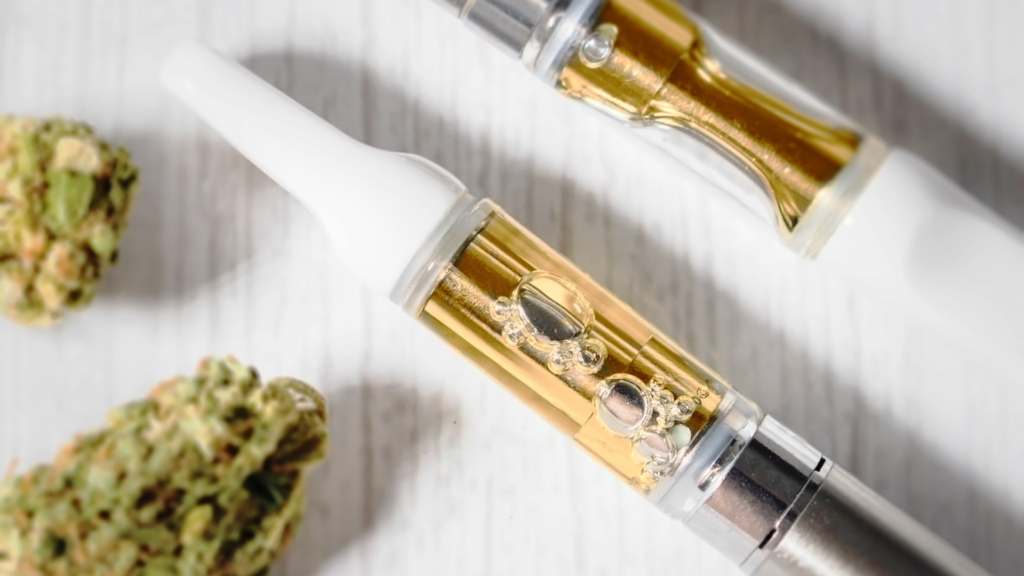
HC-O Vapes

The post CBD-A, the health benefits and potential applications appeared first on WeeDutch from WeeDutch.


source https://www.weedutch.eu/cbd-a-the-health-benefits-and-potential-applications/

Thursday, 19 January 2023

HHC-O The Ultimate Guide

Table of Contents

Here is all the information you need to know about the newest cannabinoid to hit the market, HHC-O.

HHC-O, The brand new Hemp-derived cannabinoid

HHC-O is a brand new Hemp-derived cannabinoid that can now be extracted from Hemp using a clean manufacturing process. HHC itself is a hydrogenated compound that binds to different receptors than regular Hemp cannabinoids. A benefit to hydrogenation is that it gives stability at the molecular level, that helps with both shelf life, and resistance to heat.

HHC-O might be unfamiliar to you, whether you regularly use cannabis or are just interested about it. It is a cannabinoid with psychedelic effects that is comparatively unheard of. But hemp is the source of it. Since THC-O, Delta 8, and Delta 10 also have psychoactive effects, this fact is not unique. They are all permissible to use because they are all made from hemp.

WeeDutch was one of the first companies to offer trustworthy HHC-O products on the market. Look through their selection of HHC-O products. Let’s examine what’s new with HHC-O now.

HHC-O: What Is It?

A recently identified cannabinoid with psychotropic qualities is called HHC-O. But we’ve already covered that. Let’s concentrate on the strange “O” that appears at the end of the name. It denotes that the HHC cannabinoid is a newer formulation. Similar to what occurs with THC-O. Acetate is added by manufacturers to HHC. The HHC molecule is altered during that process, giving rise to effects that are stronger.

How is HHC-O produced?

We are aware that producers augment the HHC, or HHC-O, with acetate. It is important to remember that it does not occur in nature, though.
Since this cannabinoid is synthetic, it can only be created by human hands. As a result, a skilled chemist combines acetic anhydride with the HHC concentration. The cannabinoid’s potency is increased by the chemical reaction. It is imperative to emphasise that this should not be attempted at home or alone. You should be aware of the origins of the cannabis after reading this material. However, only a skilled chemist with the right tools and understanding can create HHC-O. It is extremely harmful if not.

Effects of HCH-O

HHC-O is a cannabinoid whose physiological effects on the body still need to be studied. It has nevertheless been shown to be psychotropic. In this case, it is simple to look for a comparison with Delta 9 THC to comprehend how it tastes. Due to the fact that HHC-O is around 1.5 times as potent than HHC, this is challenging. Furthermore, HHC falls halfway between Delta 8 and Delta 9 THC.
We may say that Delta 9 THC is slightly less potent than HHC-O. Your mind is at ease, and your muscles initially relax. A powerful physical and mental experience may then result. You might experience increased sociability and joy. Your body becomes drowsy as the effects peak, and your mind appears to become more open to new perceptions and concepts. You may still drift off and immerse yourself further in your own universe. When utilising HHC-O, you might prefer to lie on your bed or couch.

Is HHC-O legal in Europe?

Technically, HHC-O is not THC. In Europe, cannabis products with less than 0.2%-1.0% THC are generally legal. Regulations vary from country to country. For example, in the Czech Republic and Switzerland, the THC in Hemp products can reach 1.0%. If HHC-O or any substance with same chemical structure is already listed as a controlled drug in your country,then HHC-O is not considered a legal Hemp extract locally.

HHC-O Advantages

The dosage and terpenes that come with HHC-O have a significant impact on the effects you get from using it. The advantages of the product you select are enhanced by the combined action of terpenes and cannabinoids. However, there are some broad advantages that will give you a fair notion of what it can do for you. Your body and mind are relaxed by HHC-O, which concurrently lessens tension and pain. You feel less anxious and less uncomfortable, giving you a greater sense of control over your body and emotions. if you only use a small dosage. Your body goes into a profound level of relaxation that will put you to sleep, but, if you’re looking for a more extreme experience. You awaken feeling refreshed after a restful night.

HHC-O: Is it safe?

Nearly no study has been done on the safety of HHC or HHC-O. However, consumers have not yet reported any negative side effects from any one. You could draw the conclusion that using the cannabis has no substantial negative effects. Additionally, consumers claim that it offers potential health and recreational benefits in their reports of its usage.

HHC-O in Hemp: Does it Exist?

No, hemp doesn’t naturally contain any HHC-O at all. It is artificial, as we have stated in the process of creating HHC-O. HHC is what hemp does contain. Although it is found in very little amounts, producers extract what they can from the plant and convert it to HHC-O. For those who desire a more intense experience, they do it to increase the cannabinoids’ strength.

Purchase HHC-O

It is essential to purchase cannabis goods from a reputable seller. Particularly when discussing novel or undiscovered cannabinoids. For this reason, we’d like to introduce you to our Product Specialists. We are a company that specialises in goods made with hemp. Due to our constant innovation in the field, you can find HHC-O products in addition to other outlandish items you probably didn’t know existed. If you want to reach us you can call us directly on: +31 88 440 2966 or visit our contact page.

HC-O Vapes

The post HHC-O The Ultimate Guide appeared first on WeeDutch from WeeDutch.


source https://www.weedutch.eu/hhc-o-the-ultimate-guide/

Monday, 9 January 2023

33% to 50% of the adult population sleeps poor. Can CBN Help?

Table of Contents

It is no secret that Europeans struggle to get good sleep. Sometimes we just can’t seem to unwind, whether it’s due to work stress, worry, tech overload, or even the inability to relax. It has become an epidemic because of how pervasive the issue is.

According to a new analysis almost one-third of individuals, or 84 million people, report having “poor” to “fair” sleep on a regular basis. Additionally, more than half (55%) of Europeans feel that getting enough sleep is a “big priority,” ranking it higher than other lifestyle elements like social engagement (45%) and good diet (40%).

Industry experts believe cannabis entrepreneurs have the potential to make a significant difference using CBN (cannabinol) as a natural sleep aid, even though there may not be a one-size-fits-all solution to the issue. Industry analysts predict that the National Institutes for Health (NIH) would spend €520 million on sleep research in 2023, nearly double what it did ten years ago.

Additionally, studies show that CBN may be the solution individuals need to overcome sleep deficiency as it continues to spread across the country.

This blog article will discuss the sleep epidemic in Europe and look at CBN’s ability to assist people who are having trouble falling asleep.

Sleep 101: The Fundamentals

Europeans frequently don’t consider cannabis to be relevant when trying to get decent sleep. But because different stages of the sleep cycle are affected differently by different cannabinoids, informed cannabis users are very interested in knowing their bodies and their sleep requirements.

Understanding what they require and why they might experience sleep deprivation can help them determine the kind of cannabis products that will benefit them the most.

Before discovering why Europeans are experiencing such severe sleep deprivation and how the herb might just save the day, it’s good brushing up on some sleep fundamentals since we may not all be experts in either cannabis or sleep deprivation (or night).

A List of Sleep Requirements Depending on Age

As people age, their needs for sleep vary. Generally speaking, professionals advise:

  • Infants and children in their first year: up to 18 hours every day
  • Ages 1-3: 12–15 hours each day
  • 3-5: everyday 11–13 hours
  • Ages 2 to 12: 9 to 11 hours each day
  • Teens: 9–10 hours each day
  • Adults: 7 to 8 hours per day

Overview of Sleep Stages

As a general rule, the stages of sleep are as follows:
Stage W. (Wakefulness)

  • N1 Stage
  • N2 Stage
  • N3 Stage
  • R Stage (Rapid Eye Movement, or REM)

During an eight-hour sleep cycle, healthy sleepers alternate between the various stages of sleep every 90 minutes. Let’s take a closer look at each stage to observe how it refuels us.

Level N1

Stage N1 takes place while a person moves from being awake to being sleepy. Dreams may happen during this brief stage, which lasts between five and ten minutes. The mind is still conscious of its surroundings while dozing off and is easily woken back to awakeness.

Additionally, the brain waves, eye movements, pulse rate, and breathing all slow down during this stage. As the body relaxes, the muscles could twitch.

N2 stage.

The process continues on to Stage N2, where respiration and heart rate continue to reduce, after Stage N1. Stage N2 should make up roughly half of the overall amount of sleep duration throughout the night. The following qualities apply to this stage:

  • A diminished sense of place
  • A lowering of body temperature
  • No eye motion
  • Modifications to breathing pattern

Additionally, the brain creates sleep spindles at this period, which are characterised by rapid bursts of rhythmic brain waves. Memory consolidation, when the brain gathers, organises, and filters fresh memories from the previous day, depends on sleep spindles.

In order to enter stage N3 and REM, the deepest sleep stages when the body and mind can recoup, revitalise, and be ready for the next day, the body also becomes even more relaxed.

N3 stage.

Due to the slowed delta brain waves that are present during Stage N3, this stage of sleep is sometimes referred to as Slow Wave Sleep or Delta Sleep. Growth hormone production during N3 sleep aids in the body’s amazing ability to mend and restore itself.

The first portion of Stage N3 typically lasts 45 to 90 minutes. The successive N3 sleep cycles gradually get shorter in length as the night goes on. These crucial traits describe this stage:

  • Complete muscle sedation
  • Reduced blood pressure and slowed respiration
  • Entering the period of profound sleep

It’s also vital to remember that N3 sleep declines with ageing, to the point that elders may even experience nighttime absences. Nevertheless, as healthy sleepers also experience this, this does not imply a sickness or disorder.

R stage (REM)

Rapid eye movement (REM) sleep is referred to as stage R of sleep. After falling asleep, REM sleep typically starts 90 to 110 minutes later, with further cycles taking place every 90 minutes.

The length of REM sleep cycles increases during the night. During this cycle, the heart rate also rises and breathing becomes erratic. Additionally, REM sleep is when dreaming takes place. Healthy sleepers frequently recall stage R dreams.

The ability of the body to produce substances that temporarily paralyse the sleeper in order to stop them from “acting out” in their dreams is a particularly ingenious trait. And for good reason—despite being sleeping, humans tend to be highly active at this period. The eyes rapidly dart back and forth during this cycle, much as they do when awake.

Knowledge of Sleep Disorders and Interruptions

A complete nightmare might result from sleep disturbances and problems. They can indicate more significant issues in addition to causing disruptions to daily living. Given that, here are some of the most typical sleep disturbances and disorders and how they may prevent you from getting a good night’s rest.

Insomnia

If you have trouble falling asleep or staying asleep, you may be experiencing insomnia. Also possible are early morning awakenings, in which a person wakes up earlier than usual and finds it difficult to get back to sleep. As a result, people become overly sleepy during the day, which often leads to functional limitations during the day.

Narcolepsy

Excessive daytime sleepiness (including periods of uncontrollable sleepiness) and unexpected muscle weakness are symptoms of narcolepsy. Sudden muscle weakness associated with narcolepsy may be brought on by intense feelings or surprise. The start of narcolepsy, also known as a “sleep attack,” can happen even when moving around or engaging in other physical activity.

Irritable Bowel Syndrome (RLS)

RLS is characterised by painful “creeping” feelings that frequently begin in the lower legs but are accompanied by pains and aches all over the legs. By moving the legs, such as walking or kicking, it may help with sleep difficulties.

Snoring Apnea

Snoring is more than simply a bothersome habit. It might be a sign of sleep apnea, which is characterised by loud gasping or snorting noises that briefly disrupt sleep. People with sleep apnea may experience extreme daytime sleepiness as a result of frequent interruptions throughout their sleep.

Sleep disturbances

Sleep disturbances can have a substantial negative impact on a person’s performance as well as their physical and mental health, making it harder to concentrate during the day and feeling more lethargic and irritable. For instance, third-shift employees frequently encounter irregularities in melatonin secretion and circadian rhythms. Repeated disruptions can result in much more difficult problems because the body needs melatonin for other hormone regulatory activities.

A decreased capacity for concentration and decision-making can emerge from sleep disruptions brought on by frequent nocturnal bathroom visits or night sweating.

The disruption in biological rhythms brought on by a sudden change in time zones that affects sleep, food, and activity habits is known as jet lag, and it is arguably the most significant of all.

The amount of energy, mood, motivation, and capacity for optimal functioning that an individual has can all be severely impacted by all of this upheaval. All people who want to keep up their health and productivity need to get the restorative sleep they need.

Europeans prioritise sleep, yet the quality of their sleep is still poor.
It comes as no surprise that Europeans prioritise getting enough sleep because it is generally recognised that insufficient sleep is associated with a lack of overall wellbeing. With extended workdays, excessive screen time, and busy lifestyles, it can be difficult to obtain a good night’s sleep because of overanalyzing the day’s events and attempting to silence rushing thoughts. A startling 81% of Europeans believe that their mental activity—thinking, racing thoughts, and feelings—keeps them awake at night in the 2022 sleep study.

Although the importance of sleep is acknowledged, many people still have poor sleep quality. Sleep quality is also directly related to factors including sex, age, satisfaction with the mattress, and mental health. For instance, more women than men believe sleep is a key priority and are more concerned about missing sleep (61% vs. 48%, respectively).

Additionally, Europeans poor sleep habits have an impact on global economic expansion and are associated with slow GDP growth. According to research, the European economy loses €44.6 billion annually as a result of workers’ unexpected absences brought on by lack of sleep.

Epuroare increasingly resorting to sleep aids in their search for respite to increase the quality of their sleep. According to the latest recent data, Europeans spent €437 million on over-the-counter sleep aids in 2021, double what they did in 2011 (€217 million).

However, it is important to keep an eye on the market for natural sleep aids because it is anticipated to continue expanding. Many people are turning to health-promoting cannabinoids to find natural sleep cures as a result of Europeans disintegrating marijuana prohibition.

Cannabinol is one phytocannabinoid that has demonstrated potential as a natural sleep aid (CBN).

What Is CBN, a Cannabinoid?

Aged cannabis plants naturally contain large quantities of CBN, a phytocannabinoid. Most people are unaware that CBN was the first cannabinoid to be discovered; it was done so in 1896 by Thomas Barlow Wood, WT Newton Spivey, and Thomas Hill Easterfield.

CBN was once viewed as a less desirable cannabinoid than CBD or THC because of its sedative effects and predominance in older cannabis flowers. CBN can be viewed as a “sleeper” cannabinoid despite being the “original” phytocannabinoid because it wasn’t historically as well-known as THC, CBD, or terpenes.

The Special Relationship Among CBN and THC

Due to a 1999 study conducted by the United Nations Office on Drugs and Crime, scientists now identify CBN as a significant cannabinoid (UNODC). In the study, cannabis samples that were analysed four years later had THC levels that were only half as high as before. In addition, as THC oxidised and lost its potency, it changed into CBN.

The study found that the most THC degradation happened two years after improper storage began, demonstrating a clear correlation between the plants’ sensitivity and the conversion of THC to CBN.

The study found that THC breaks down into CBN over time. So, the more CBN cannabis has aged, the more CBN it will have. Researchers now know how CBN and THC interact differently with CB2 and CB1 receptors as a consequence of the study.

What Differs CBN From CBD?

Despite sharing a name, CBD and CBN are completely distinct chemicals. Both marijuana and hemp, a cannabis subspecies with less than 0.3% THC, contain the two cannabinoids that come from CBGA. While there are some parallels between them in terms of their capacity to treat pain and inflammation, their primary differences lie in their intended uses.

Furthermore, CBD has been thoroughly studied, and research has shown that it possesses anti-inflammatory, anxiolytic, and anticonvulsant characteristics. As a result, it acts as a pillar of the industry and a potent therapy used by those looking for relief from conditions like epilepsy and anxiety, among others.

While some research suggests CBN may possibly have anticonvulsant qualities, the majority of the most recent studies are concentrated on its capacity to calm the mind and promote sleep.

There are a few key distinctions between CBN and CBD.
Hemp plants contain a substantial amount of CBD, making it more widely available and reasonably priced.

  • At the moment, CBD is the subject of more research and understanding than CBN.
  • Decarboxylating CBDA, which is contained in raw cannabis flowers, yields CBD, whereas oxidising THC yields CBN.
  • In contrast to CBN, one CBD-based medicine for the treatment of epilepsy and seizures has received FDA approval.
  • Although technically both substances are psychoactive, CBD leaves the user feeling sober, whilst CBN slightly modifies the user’s state of mind due to its THC origins.
  • CBD curbs hunger, but CBN increases it.

Although CBN and CBD alone have particular advantages and effects, their combination is likely to work effectively. A phenomenon known as the entourage effect states that when cannabis are eaten together, they synergistically enhance each other’s effects. The entourage effect has been shown in numerous studies, including one in which CBN and CBD together significantly reduced pain in rats compared to either drug acting alone.

Does CBN Aid in Sleeping?

Many businesses promote their CBN-containing products as sleep aids, but does CBN genuinely reduce insomnia and restlessness? We’re still looking for any real answers at this point.

Despite the fact that it appears to be more effective when mixed with other cannabinoids like THC, there hasn’t been much research done on the cannabinoid because of the long-standing ban of cannabis.

Rodents have historically been the subject of the majority of studies on the effects of cannabinoids, notably sedation. For instance, a 1975 study indicated that in mice and rats, CBN enhanced the calming effects of THC.

Five male subjects were given varying doses of THC and CBN as part of another important clinical research conducted in 1975. Researchers discovered that taking THC and CBN together had stronger sedative effects than taking THC by itself.

Additionally, during the trial, participants’ heart rates rose in response to THC but not in response to CBN, providing additional evidence that CBN might function as a sedative. The trial’s results were encouraging yet inconclusive due to the trial’s limited sample size and age.

Similar results were discovered in a 1995 mouse study, which indicated that synthetic CBN prolonged mice’s sleep intervals. Based on the findings of these investigations, CBN is widely acknowledged by cannabis industry professionals to be a potent sedative. However, experts concur that more clinical trials and study are required before drawing any firm conclusions.

Why You Should Take Into Account Providing CBN Products To Your Clients

Although research on CBN’s potential as a sleep aid is still ongoing, the general public appears to believe that CBN can enhance sleep, driving up sales of CBN-containing items that promote sleep. Additionally, information concerning studies on CBN’s potential as a painkiller has gained some traction. Due to the entourage effect, it is preferable to use this substance in combination with other cannabinoids.

While the typical consumer is unaware of the possible advantages of CBN, CBD has quickly established itself as a household name, and many CBD enthusiasts are aware of the entourage effect. As a result, when CBD is coupled with other cannabinoids, such CBN extract, its value may be increased in the eyes of consumers.

What is extract of CBN?

Cannabis flowers with a high concentration of cannabinoids, including the cannabinoid CBN, are used to make CBN extract. The most common forms of this hemp component used in bulk are distillate and isolate. Each extract type, CBN distillate and CBN isolate, can be used in a variety of products and range in potency from 70 to 97% of the total cannabinoids.

What is distillate of CBN?

With CBN distillate, a distilled cannabis extract contains significant quantities of CBN. The CBN distillate still contains all the terpenes, minor cannabinoids, and other beneficial substances that are present in hemp flowers naturally, although being much more refined than crude extract. This quality makes CBN distillate a top choice for goods including candy, tinctures, and vape items.

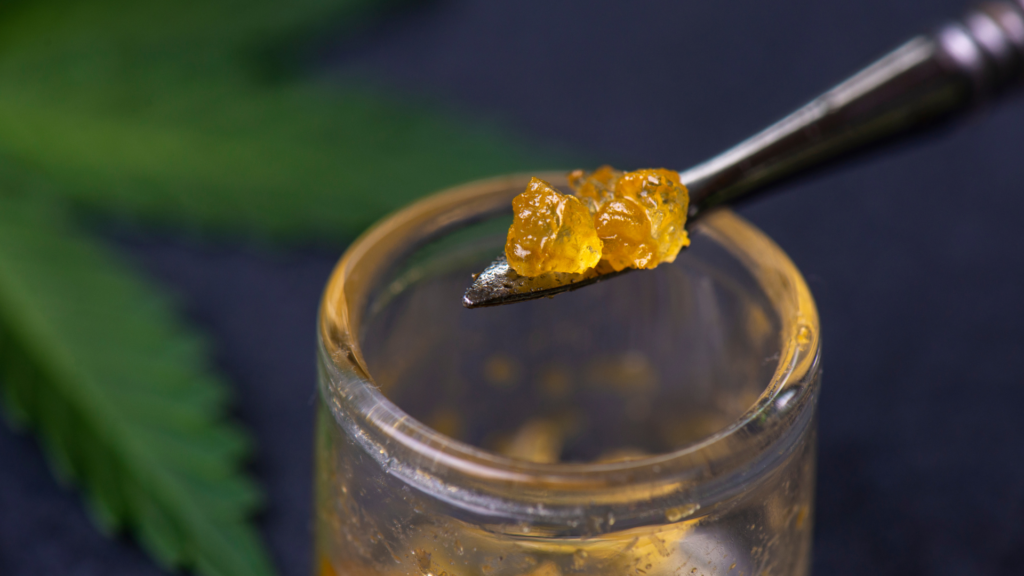
With CBN concentrations of up to 80%, CBN distillate often has a honey-like feel and look. Even while certain CBN distillates contain small quantities of THC, this extract can be further refined to produce no detectable THC.
Poor Sleep and CBN

Describe CBN isolation.

Nearly all of the molecules in CBN isolate are pure cannabinol molecules. Despite not being especially helpful in its raw state, CBN isolate is suitable for many different product formulations due to its high chemical purity of 97%+.

The higher compatibility of CBN isolation with practically every cannabis extract is what gives it its beauty. Any product can easily be infused with CBN’s distinctive and fascinating benefits thanks to the nature of this substance.

Uses Despite their differences, CBN distillate and isolate can be used for many of the same things. For instance, distillate provides a wider range of effects in vape cartridges, whereas CBN isolate works better in difficult-to-balance complicated formulations. Additionally, both CBN isolate and distillate are allowed in accordance with various state and federal rules because both extract forms can be manufactured with undetectable quantities of THC.

Need Ideas for Products?

The following examples of products fit the straightforward nature of CBN isolate:

The following product categories pair nicely with the robust flavour of CBN distillate:

  • Gumdrops
  • Vapes
  • Remedies

Actually, any of the aforementioned goods could contain CBN extracts of any kind. Your goal and target audience will ultimately determine your strategy. By working with a knowledgeable cannabis white labeller, you can alter the look of your new CBN-infused sleep products.

What Should I Consider When Buying The Best CBN Extract?

Now that you are aware of all the crucial information regarding CBN distillate and isolate, which CBN extract type is the greatest fit for your unique requirements? Here are some important details to think about.

Cannabinoid isolates have historically been sought after because they don’t contain THC. However, currently it is just as simple to remove all traces of THC from distillate, thus there is no longer an advantage specific to isolate.

The main deterrent against utilising CBN distillate in today’s hemp goods is that it can upset the equilibrium of already-formulated products. It might not be a smart idea to add more extracts to a product that already contains cannabis distillates, for instance. As an alternative, you might add CBN to the product using an isolate extract.

The truth is that none of them are less significant than the others when choosing a cannabis extract. With the assistance of a reputable hemp white-label business like WeeDutch, you may create the best hemp product line possible.


Use the Best CBN Extract to Address Customer Concerns

According to the research, millions of Europeans actively look for natural remedies for their sleep issues. If you’re interested in offering clients a CBN choice, we can help you get started. There is also no time for guesswork while looking for a potent CBN isolate or distillate. WeeDutch’s crew is here to help and is knowledgeable about the differences between extracts. We understand what it takes to tailor products to your exact requirements because we are an industry leader. Our integrated strategy assures the best outcomes for each of your final products with unmatched knowledge.

By collaborating with WeeDutch, you can maximise your benefits and significantly impact both your customers and your business. With the greatest CBN extracts created to give your consumers a well-deserved restful night’s sleep, let us help you gain an advantage over the competition. Get your consultation with us right away!

CBN and Sleep problems

Buy our premium CBN Isolate (>97%)

The post 33% to 50% of the adult population sleeps poor. Can CBN Help? appeared first on WeeDutch from WeeDutch.


source https://www.weedutch.eu/33-to-50-of-the-adult-population-sleeps-poor-can-cbn-help/

Thursday, 5 January 2023

How Do Customers Select Their CBD Dosage?

Table of Contents

A growing number of people are discovering the various possible health advantages and non-intoxicating qualities of CBD, which is increasing its appeal globally. According to a recent Forbes Health poll, about 60% of adults have used CBD at some point in their lives. Although consumers can choose from a range of CBD products, many are interested in finding the CBD dosage that works best for them.

Recent polling by Leafreport and The CBD Insider provides us with previously unheard-of insight into the thoughts of CBD users, including how they choose the CBD dosages they use, which sources they trust for dosage advice, and how satisfied they are with those amounts.

You must first understand who they listen to and what they want to hear in order to properly communicate with CBD consumers. Utilize this advice to help you tailor your value proposition to the reality of the contemporary CBD market.

How do I choose a CBD dosage?

The most recent statistics indicate that CBD dose is still a subject of active research. There is currently no agreement on the recommended dosage for any given condition, with dosages ranging from study to study.

What dosage of CBD is best for you, then? Starting small and building up gradually is crucial when using any new chemical. Finding the ideal dosage frequently necessitates some testing and modifications.

Start with a modest dose and gradually raise it till you see the desired benefits for optimal results. However, satisfaction with particular CBD doses continues to be high.

New information from Leafreport

Market researcher Leafreport gives thorough new data on consumer awareness of CBD and how they choose how to use CBD in a report published on October 16th, 2022. Approximately a dozen different sets of data about CBD use and decision-making are included in this extensive report overall, but only a handful of them are pertinent to the current debate.

Key findings from the Leafreport investigation of how customers form their CBD consumption patterns are covered here.

How do users choose the dosage of CBD?

The main conclusion of Leafreport was that 71% of CBD users choose their dosage without seeking advice from any kind of specialist. CBD users frequently ignore the advice of people “in the know,” whether it be a medical professional or a budtender, in favour of making their own path through the convoluted contemporary CBD landscape.

  • -71% of CBD users choose their dosage without contacting a doctor or other healthcare provider.
  • 18% consult a doctor
  • 11% consult a CBD industry expert
CBD Intake

How frequently do users of CBD use it?

In the Leafreport study, 31% of participants who use CBD claimed they do it everyday, while another 27% said they do so once a week. As a whole, this translates to more than 50% of respondents who report regularly using CBD, indicating that their beliefs are grounded in genuine experience.

  • 14% get multiple doses of CBD each day.
  • Daily users: 31%
  • Weekly users: 27%
  • monthly users: 7%
  • Infrequent users: 21%

How much CBD do users drink at once?

The majority of CBD users (26%) said they only use 5–10 mg of CBD per dose. 11% said they took 20–40mg, while 17% said they took 10–20mg.

  • 13% of people only take 5 mg.
  • 26% consume 5 to 10 milligrammes of CBD every dose.
  • 17% of users take 10–20 mg each dose.
  • 11% of people use 20–40 mg each dosage.
  • 4% consume 40–70 mg per dose.
  • 3% use a dose of 70–100 mg.
  • 4% of users exceed 100 mg each dose.
  • 22% were unsure of the dosing size.

Most intriguingly, 22% of survey participants from Leafreport didn’t know how much CBD they consumed every day. It adds an element of uncertainty to all the data Leafreport obtained because it is the second-largest category after the 5–10 mg group.

Are customers satisfied with the CBD dosages they selected?

CBD users may not be aware of how much they consumed, but they are undoubtedly content. It appears that the accuracy of dosing has minimal impact on how pleased CBD users are with the outcomes they experience, since 57% of users say they are content with the dose they selected.

  • 57% were satisfied with the dose they selected and continued to use it.
  • 17% of people upped their dosage
  • 10% cut back on their dosage
  • 16% of people have yet to find the optimal dosage.

Does the time of day affect how much CBD to take?

Only 20% of Leafreport respondents said that the hour had any bearing on their CBD usage, despite the fact that a large number of CBD products are intended for use at specific times of the day. Almost 50% of respondents claimed they always used the same dosage of CBD, while 32% said they only used as much as they needed at any given time.

  • 48% consistently utilise the same dosage of CBD
  • 32% use a range of doses
  • 20% of people actively change their dose according to the time of day.

Customers want items to contain how much CBD?
The findings of Leafreport about the required potency in CBD products line up with expectations from common sense. Only a small portion of CBD consumers prefer goods with higher doses; the vast majority choose products with between 1mg and 1000mg of CBD. It’s interesting to note that over a quarter (26%) of respondents said they don’t consider cannabinoid levels while purchasing CBD products.

  • 28% prefer CBD products containing less than 500 mg.
  • 32% desire CBD products containing 500–1000 mg.
  • 9% want 1500–1500 mg.
  • 5% desire more CBD per product than 2500mg.
  • 26% never check the CBD concentrations.

How effective was CBD throughout treatment?

Users of CBD are extremely pleased with the effects CBD had on the disease they were aiming to cure, even if they didn’t receive a professional assessment. Only 4% of Leafreport respondents were entirely dissatisfied with the impact CBD had on their condition, compared to 32% of respondents who said they were completely satisfied.

CBD has a

  • 34% 5-star rating
  • 32% 4-star
  • 23% 3-star
  • 8% 2-star
  • 4% 1-star

Important conclusions: Do consumers properly determine their own CBD dosage?

Many CBD users are now following their own guidance when it comes to a crucial decision like dose. They should be commended because there are a few causes for this tendency.

CBD is frequently portrayed as a risk-free and benign chemical. As a result, customers are generally less careful when using CBD. However, susceptibility and tolerance to cannabis vary widely from person to person. Each person does, in fact, have a dosage that is unique to their needs and general cannabis responsiveness.

We anticipate breakthroughs to occur as time goes on and the industry continues to learn more about the use and advantages of CBD through research, enabling people to obtain suggested dosages depending on their own bodies’ responsiveness.

Consumers of CBD are one of the most autonomous groups in the larger natural health market.

CBD Dosage

FAQ about CBD Dosage 

Discover the fundamentals of CBD dosage below:

There are no set rules for how frequently CBD should be used. However, most users discover that the effects of orally taken CBD endure for about 2-3 hours, thus it’s typical to take CBD 5–6 times daily. 50–120 mg of CBD would be consumed daily at an average dose of 10–20 mg, which is around the amount consumed by most everyday users.

Calculating the dosage of CBD in your product might be difficult because most CBD products list the total CBD per bottle rather than the CBD per dose. However, the fine print on the majority of CBD products lists the serving size and the amount of CBD that is present in each serving. For 100% exact dosing, some CBD tinctures even contain eyedroppers with measurement lines.

You typically need to enter your weight, the total amount of CBD in your product, and your desired dose in order to utilise a CBD dosage calculator (mild, moderate, or heavy). Most of the online CBD dose calculators will be able to offer you helpful recommendations based on these parameters.

Research into CBD hasn’t yet turned up any negative effects that are frequent or severe enough to warrant serious caution. While there are isolated cases of CBD-associated adverse effects, they seem to be more tied to the characteristics of the product or the individual’s health than to the fundamental features of CBD. Exercise caution when administering CBD doses, but be aware that the common belief is that being overly cautious is unnecessary.

A CBD Isolate Oil needs to contain at least 250mg of CBD in order to be effective for a significant number of doses. The vast majority of tinctures on the market, however, have a lot more CBD than this concentration: the typical dose is 500–1000 mg, although some tinctures have a higher CBD content than 2500 mg. More than 3000mg of CBD in a tincture is typically thought to be unnecessary.

The post How Do Customers Select Their CBD Dosage? appeared first on WeeDutch from WeeDutch.


source https://www.weedutch.eu/how-do-customers-select-their-cbd-dosage/

Understanding Cannabinoids: Effects, Differences, and the Top 5 Cannabinoids

Table of Contents Cannabinoids are natural compounds found in the cannabis plant and they have gained significant attenti...